
Key Takeaways
- Myopia, or nearsightedness, makes faraway things look blurry and often shifts during childhood.
- Myopia control glasses correct distance vision in the centre and use peripheral defocus in the outer zones to help slow progression.
- MiYOSMART lenses by Hoya have been shown to help slow myopia growth by about 60%.
- Children of all ages can wear these lenses comfortably during waking hours.
- Follow-up visits help track prescription changes as your child grows.
Your child squints at the TV. A few months later, the school sends a note home about the whiteboard. Then their prescription changes again, and you start to wonder where this ends. At St. Marys Optometry, we hear this story from parents all the time, and myopia control is often the next part of the conversation.
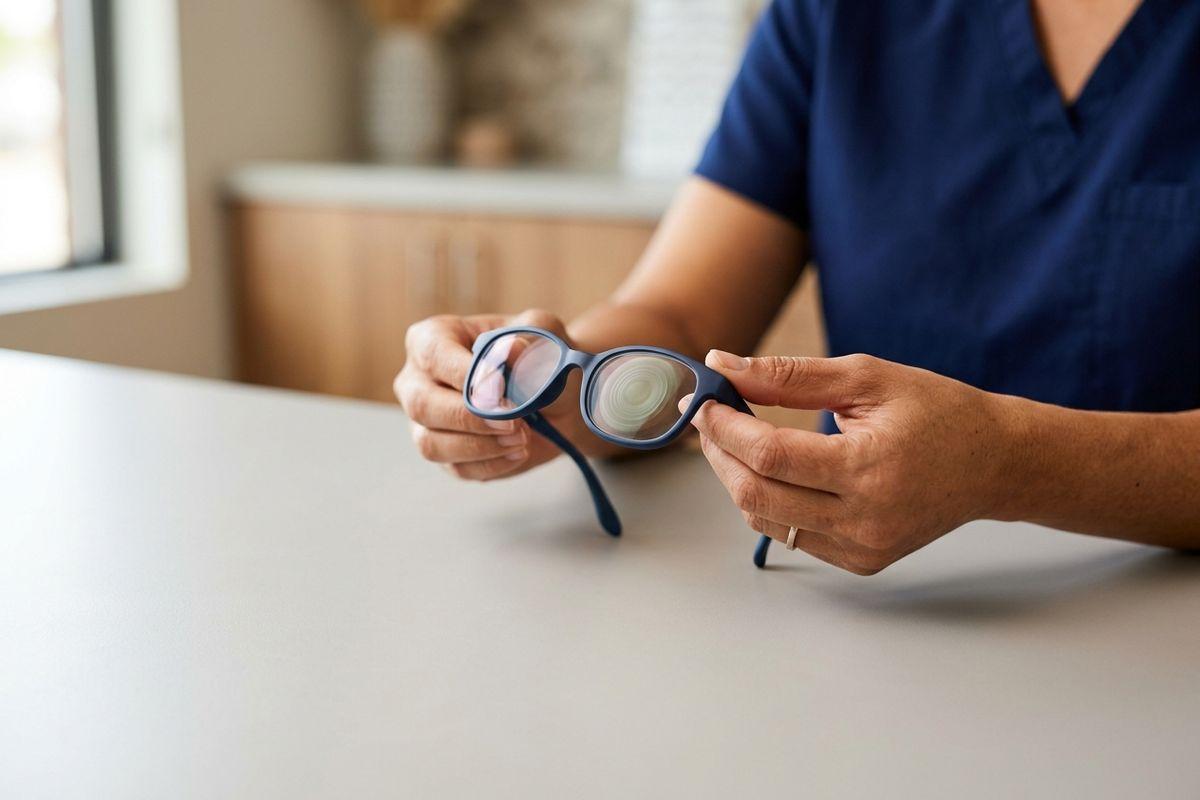
Myopia control glasses look like regular glasses, but the lens is built differently, with a clear centre zone that corrects distance vision and outer zones that use peripheral defocus to help slow how quickly myopia progresses.
Myopia in Children Explained
Myopia, also known as nearsightedness, means that close-up objects typically appear sharp, while objects across the room appear soft and fuzzy. Your child might read a book just fine but struggle to recognize a friend down the street.
It often starts during childhood and shifts as kids grow. Genetics can play a role, so myopia frequently runs in families. Lots of close-up work and less time spent outdoors are also associated with it.
Signs to Watch for at Home
Kids rarely say their vision is blurry. They adapt instead, so the clues show up in their habits, including:
- Squinting or frequent eye rubbing
- Sitting very close to screens or holding books near their face
- Trouble seeing the board at school
How Myopia Control Glasses Work
The centre of the lens does the job you’d expect. It corrects distance vision, so your child can see the whiteboard, the soccer ball, and the road signs on the drive home.
The outer zones of the lens work differently. They use peripheral defocus, which blurs peripheral vision and signals the eye to slow its growth. Your child looks through the clear centre for everyday tasks and typically doesn’t notice the rest.
Regular Glasses Compared to Myopia Control Lenses
Standard single-vision lenses correct the blur, and nothing more. They help your child see today, but don’t consider their vision in the future.
Myopia control lenses do both. They correct vision and help slow the rate at which the prescription changes over time, which matters because higher levels of myopia are linked to a greater risk of eye problems later in life.
A Closer Look at MiYOSMART Lenses by Hoya
Glasses are a tried-and-true method of correcting myopic vision, and MiYOSMART lenses by Hoya take it a step further. These spectacle lenses use peripheral defocus, which blurs peripheral vision and has been proven to slow myopia growth by about 60%.
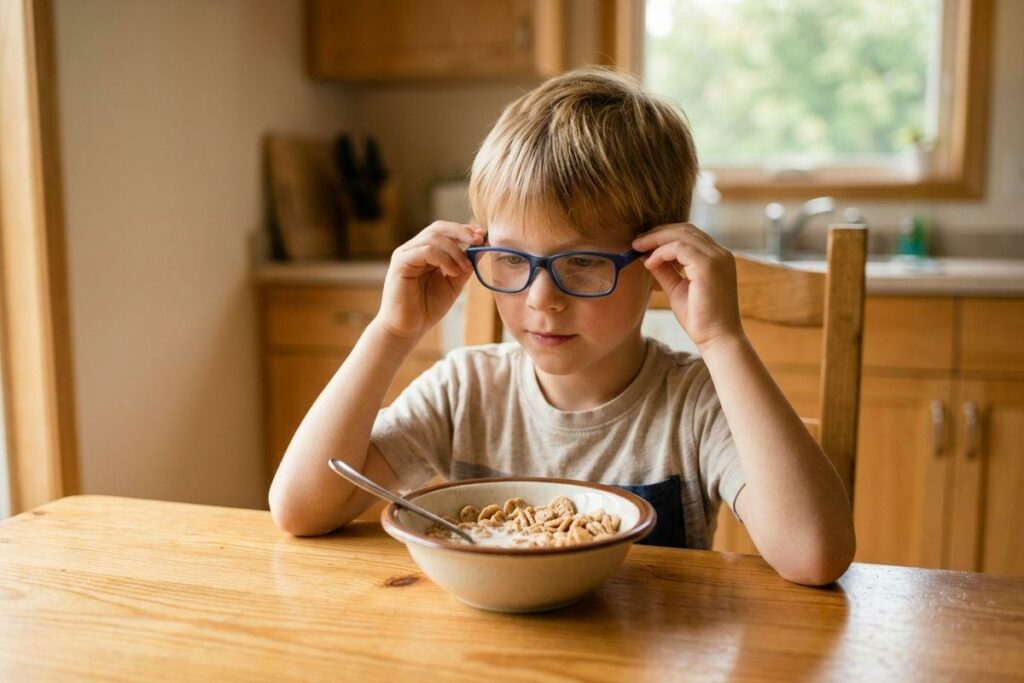
Children of all ages can comfortably wear these glasses and reap the benefits of myopia management. Your child puts them on with breakfast and takes them off at bedtime.
Daily Wear and Comfort
MiYOSMART lenses by Hoya need to be worn during waking hours to do their job. That means school, homework, hockey practice, and the trampoline in the backyard.
We can pair them with lightweight, durable frames your child enjoys wearing, because glasses left in a backpack don’t help anyone.
When to Start Myopia Control
Parents ask about age all the time. The general answer is the early years, while the eyes are still growing, since that’s the window when progression tends to move fastest.
Once your child starts, follow-up visits become part of the routine. Your optometrist tracks prescription changes over time and can adjust the plan as your child grows.
Other Options Your Eye Doctor May Discuss
Glasses aren’t the only path. Depending on your child’s age, prescription, and daily routine, your optometrist may talk through a few alternatives, including low-dose atropine drops and daily soft contact lenses designed for myopia control.
Next Steps for Your Child’s Eye Care
A child’s eye exam starts the conversation. It gives your optometrist a clear picture of where your child’s vision sits right now and whether myopia control makes sense for your family.
From there, lens selection matters as much as frame selection, and we can walk you through the options so you understand what you’re choosing and why.
At home, small habits help. More outdoor time and regular screen breaks are simple things you can build into the week without much fuss.
At St. Marys Optometry, we have watched many local kids grow up, and we’d love to meet yours. Book a children’s eye exam with your optometrist in St. Marys and get your questions answered by people who know your family by name.