
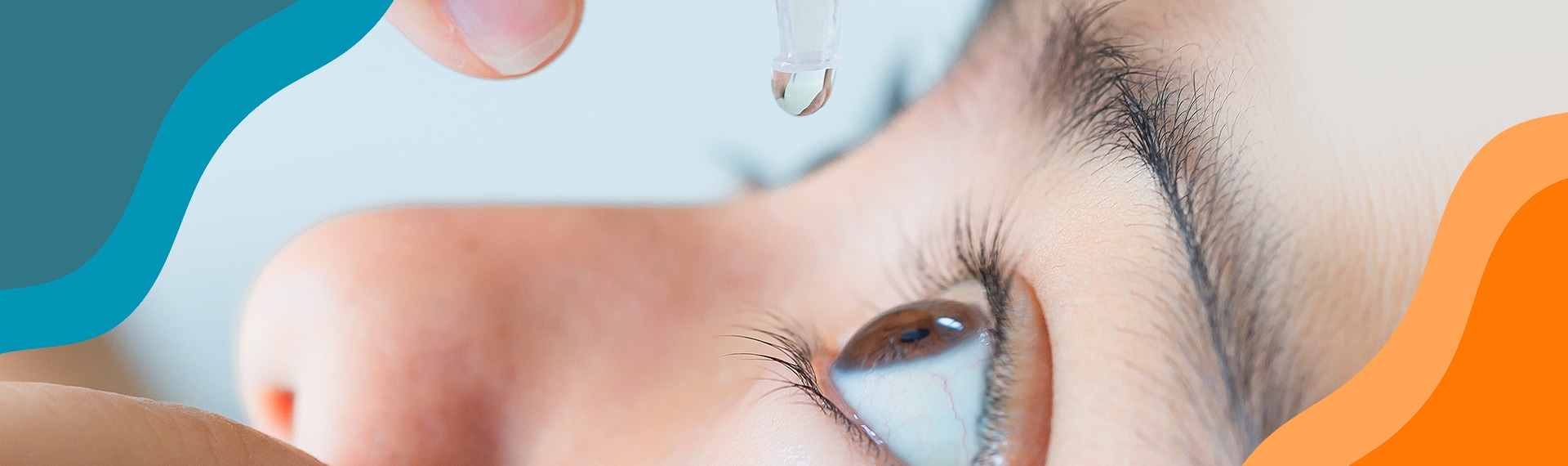
Live Life Comfortably
If you struggle with irritated, red, watery eyes, you might have dry eye syndrome.
Dry eye syndrome is among the most common eye conditions Canadians can experience, but with the help of our team, you can find strategies to maintain your comfort and enjoy your vision.
Our comprehensive approach considers even the most subtle aspects of your eye comfort to find solutions suitable for you. From your working and living environment to the overall quality of your tears, we consider every factor to help you achieve the comfort you deserve.
Book an appointment at St. Marys Optometry today!

So, What Are Dry Eyes?
Dry eye syndrome is an eye condition that occurs when there is an issue with your tear quality. Without quality tears you can develop several irritating symptoms like:
- Redness
- Wateriness
- Blurry vision
- General discomfort
The risk of developing dry eye can increase as you age, but other factors can contribute to its development. These factors can include overall health conditions, medications, and your environment.

Take our Dry Eye Questionnaire to find out if you are suffering from dry eye
Let’s Look at Your Tear Film
To get an idea of what may be causing your dry eye symptoms, we’ll take a detailed look at your tear quality.
The entire surface of your eyes is covered by the tear film, a thin layer of tears that maintain your eye comfort and keep your eyes hydrated.
Your tear film is made of 3 unique ingredients, each with a special role in maintaining your eye comfort. If you have an eye problem that affects these ingredients, you may experience dry eye symptoms.
Mucous Layer
Mucous makes up the innermost layer of your tear film. It’s produced by your conjunctiva and is responsible for keeping your tears adhered to your eye surface.
Watery Layer
Water makes up the middle and largest layer of your tear film. Your tear film gets this layer from glands located near your eye, and it’s responsible for keeping your eyes hydrated. The watery layer is also important for washing away dirt and other particles from your eye surface.
Oil Layer
Oils, produced by tiny glands on the edges of your eyelid called meibomian glands, make up the outermost layer of your tear film. The oil layer seals in your tear film, preventing it from evaporating too quickly, and maintaining your eye comfort.
What Causes Dry Eye?
What Is MGD?
Meibomian gland dysfunction is an issue that affects the glands responsible for producing the oil content in your tear film. Without oils in your tear film, your tears evaporate quicker than normal. As a result, you can experience several uncomfortable dry eye symptoms.
A common issue that can develop alongside MGD is blepharitis, which is the inflammation of your eyelid. Blepharitis can cause crustiness and flakiness around your eyelid, contributing to your MGD symptoms.
How Does It Develop?
There are many ways you could develop MGD. Poor eyelid hygiene is a common cause, but you may also develop it if blockages form in your meibomian glands or if you have a health condition that affects oil production.
The treatment we recommend depends on what’s causing your symptoms. In some cases, we may recommend medications, but we could also recommend in-office treatments to clear away blockages.
How Do We Detect It?
We can detect MGD by observing your eyelids for signs of hygiene problems or examining your tear film to see how fast it evaporates.
Once we determine if MGD is causing your symptoms, we can get to work on developing a strategy to help improve your eye comfort.
There are 2 types of dry eye you can experience: aqueous tear deficiency and evaporative dry eye.
Aqueous tear deficiency occurs when there is a lack of water content in your tear film. Without water, your eyes can have difficulty maintaining hydration to remain comfortable.
Evaporative dry eye is the most common version of the condition, with some studies showing it is responsible for 85% of dry eye cases. It develops when there is a lack of oil in your tear film, which can cause the tear film to evaporate quicker than normal.
Out of all the possible causes of dry eye, the most common is meibomian gland dysfunction, or MGD.
How We Manage Your Eye Comfort
Ultimately, the strategy we provide depends on what’s causing your symptoms. Some people may find adequate relief using eye drops, but others may need comprehensive techniques to manage their eye comfort.
We can offer several strategies based on what we discover during a dry eye appointment, including:
- Prescription eye drops
- Oral medications
- Making lifestyle changes
Get Help Today
You deserve to enjoy long-lasting eye comfort. If you struggle with dry eye symptoms, contact our awesome team at St. Marys Optometry and book your appointment today.
Dry Eye FAQs
Dry eye syndrome is one of the most common eye conditions Canadians experience, and it can affect your comfort in ways that go well beyond an occasional gritty feeling. The good news is that it’s very manageable once we understand what’s causing it. Below, our St. Marys optometry team answers the questions patients most often ask about dry eye and how we treat it.
What is myopia?
Dry eye syndrome is a common condition that develops when there’s a problem with the quality or quantity of your tears. When your tears can’t keep the surface of your eye properly hydrated, you may notice symptoms such as redness, wateriness, blurry vision, and general discomfort.
What are the symptoms of dry eye?
Dry eye can cause a range of symptoms, including redness, a scratchy or gritty sensation, excessive wateriness, blurry vision, and general eye discomfort. Symptoms often feel worse in dry, windy, or air-conditioned environments and after long stretches of screen use.
What causes dry eye?
Dry eye has many possible causes, but the most common is meibomian gland dysfunction (MGD), which affects the glands that produce the oil layer of your tears. Without enough oil, tears evaporate too quickly. Age, overall health conditions, certain medications, and your environment can all contribute, and the risk tends to increase as you get older.
What is meibomian gland dysfunction (MGD)?
Meibomian gland dysfunction, or MGD, occurs when the glands along the edge of your eyelids don’t produce enough healthy oil for your tear film. Without that oil, your tears evaporate faster than normal, leading to dry eye symptoms. MGD is the most common cause of dry eye and can sometimes occur alongside blepharitis, an inflammation of the eyelid.
How is dry eye treated at St. Marys Optometry?
Treatment depends on what’s causing your symptoms. After examining your tear film and eyelids, we create a plan suited to you, which may include prescription eye drops, oral medications, or lifestyle changes. Some people find relief with eye drops alone, while others benefit from a more comprehensive approach to restore lasting comfort.
When should I see an optometrist about dry eyes?
If you regularly experience redness, irritation, wateriness, or blurry vision that doesn’t fully resolve, it’s worth having your eyes assessed. Persistent dryness is a sign your tear film may need support, and an exam lets us identify the underlying cause and recommend a targeted treatment plan rather than relying on temporary fixes.
Our location
Find Us
We’re on the east side of town, beside the McDonald’s and Esso plaza and across from St. Marys Golf and Country Club. You can park in our parking lot, and our clinic is accessible off of Industrial Road.
Contact Information
- Phone: 519-284-4144
- Email: [email protected]
(Do not send personal health information by email.)
Address
- 766 Queen Street East
- St. Marys, ON N4X 1G2
When We’re Open
- Monday: 8:00 AM – 4:00 PM
- Tuesday: 1:00 PM – 7:00 PM
- Wednesday: 8:00 AM – 4:00 PM
- Thursday: 8:00 AM – 4:00 PM
- Friday: 8:00 AM – 3:30 PM
- Saturday: Closed
- Sunday: Closed


Our Brands





Our Google Reviews


-
St. Marys Optometry
- 766 Queen Street East
- St. Marys, ON N4X 1G2
-
P: 519-284-4144
[email protected]