


Dry, irritated eyes can really put a damper on your day. That gritty or burning feeling is often a sign of dry eye syndrome, which may mean your meibomian glands need some extra attention. These tiny glands play a big role in your eye comfort, and when they get clogged, your eyes let you know about it.
Though dry eye is definitely uncomfortable, the good news is that you don’t have to just live with it. You can often find relief by combining simple at-home habits with professional care, starting with an eye exam.
Meibomian Glands and Why They Clog
The Function of Meibomian Glands
Lining your eyelids, there are rows of tiny glands that produce an oily layer for your tear film. This oil prevents your tears from evaporating too quickly, keeping your eyes moist. When this oil thickens or the glands become blocked, it leads to a common condition called meibomian gland dysfunction (MGD).
Common Reasons for Blockages
There are a few everyday factors that can cause your meibomian glands to become clogged. Some of the most common reasons include:
- Poor eyelid hygiene, like not removing makeup before bed
- Hours of screen time, which can lead to less blinking
- Age and hormonal shifts
- Regular contact lens wear
- Dry or windy environments
- Certain health or skin conditions
- A diet high in processed foods, especially those containing trans fats, saturated fats, and excess sugar, which can contribute to inflammation and impact the quality of your tear film.
Spot the Signs of Clogged Glands
At first, you might not notice anything is off with your eyes. But as the blockages continue, the symptoms can become hard to ignore. You may experience things like:
- Scratchy or burning sensations
- Red or sore eyelids
- Eyes that water unexpectedly
- A feeling like sand or grit is in your eye
- Vision that gets blurry and then clear again, which can be a sign of various underlying eye health issues
- Crust along your lash line, especially in the morning
- Discomfort when you wear your contact lenses, which may mean you need a different type of lens or a new fitting
How to Unclog Glands at Home
For many people, a few simple additions to their daily routine may help get the oil flowing properly again. It’s typically a good idea to speak to an eye doctor about what may work for you.
Use a Warm Compress
Using medical-grade heat therapy can help soften the hardened oil trapped inside your meibomian glands. Instead of a warm cloth—which often doesn’t stay hot enough—we recommend warming a medical-grade eye mask and placing it over your closed eyes for about 10 minutes. This can be done 1–2 times a day.
Try a Gentle Eyelid Massage
Right after using a warm compress, you can help the glands along with a light massage. With clean hands, use a fingertip to apply gentle pressure and roll it along your eyelid toward the lash line. This may help express the melted oil.
Keep Your Eyelids Clean
Good eyelid hygiene helps prevent the buildup of oil, dead skin cells, and bacteria along the lash line. Always make sure to remove makeup before sleeping if you wear it.
Instead of older methods like diluted baby shampoo—which is no longer recommended due to ingredients that can irritate and dry out the eyelids—use products specifically formulated for the delicate eyelid area. Our clinic recommends i-Lid-N-Lash® wipes, which are both safe and effective for daily eyelid cleansing.
Boost Your Diet with Omega-3s
What you eat can affect the quality of the oil your meibomian glands produce. Omega-3 fatty acids, in particular, have been shown to support healthier, more stable oil production, which can improve overall tear quality and comfort.
At our clinic, omega-3 supplementation is one of the key treatments we recommend for dry eye management. Research supports this approach—for example, this study highlights the positive effects of long-chain omega-3s on tear stability and ocular surface health.
You can increase omega-3 intake through foods like salmon, chia seeds, and flaxseeds, or speak with your eye doctor about high-quality supplements that may be right for you.
When At-Home Care Is Not Enough
If you’ve tried everything at home and still struggle with dry, irritated eyes, don’t get discouraged. Sometimes, you just need a little extra help, and that’s what we’re here for. Our team can take a closer look to understand what might be going on.
In-Office Heat and Pressure Treatments
We can offer in-office treatments that use controlled warmth and gentle pressure on the eyelids. This combination is often very effective at clearing stubborn blockages, as it can help restore healthy oil flow. The number of treatments will vary by each person’s needs and some other factors, so speaking to your eye doctor about what suits your individual case is often a great way to start.
Medicated Drops and Ointments
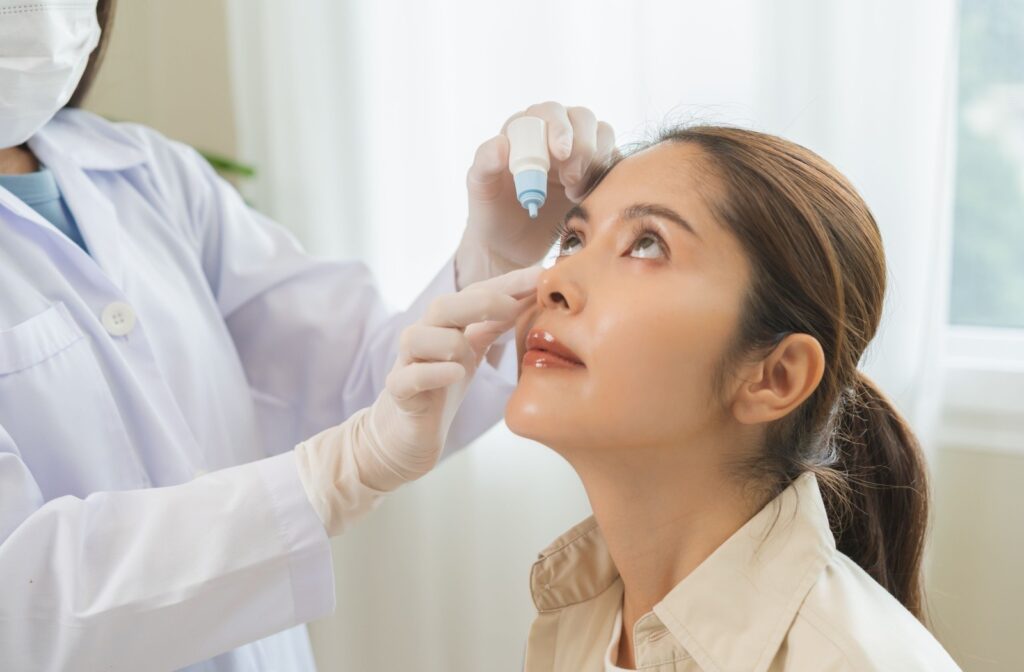
In some cases, prescription eye drops or ointments might be a good fit. These can help with inflammation or may improve the quality of the oil your glands make. Our team can help you figure out if this is the right option for you.
Tips to Prevent Future Blockages
Once your eyes are feeling better, a few habits can help keep them that way. These steps can help to support healthy gland function as you go about your life:
- Take breaks from your computer or phone to prevent digital eye strain, and remember to blink fully
- Always wash off any eye makeup before you go to sleep
- Drink plenty of water throughout the day
- Consider a humidifier indoors if the air feels dry
- Come in for your regular eye exams
Dealing with clogged meibomian glands can be frustrating, but relief is possible. By understanding the cause and taking proactive steps, you can help your eyes feel much more comfortable. It starts with a little daily care and knowing when to ask for help.
Let Us Help You Find Relief
At St. Marys Optometry, we truly care about how you feel, not just how you see. If you’re tired of gritty, uncomfortable eyes, schedule an exam with us. We’re here to listen and can help you find a solution that works for you, whether that’s at-home treatments or in-office options.