
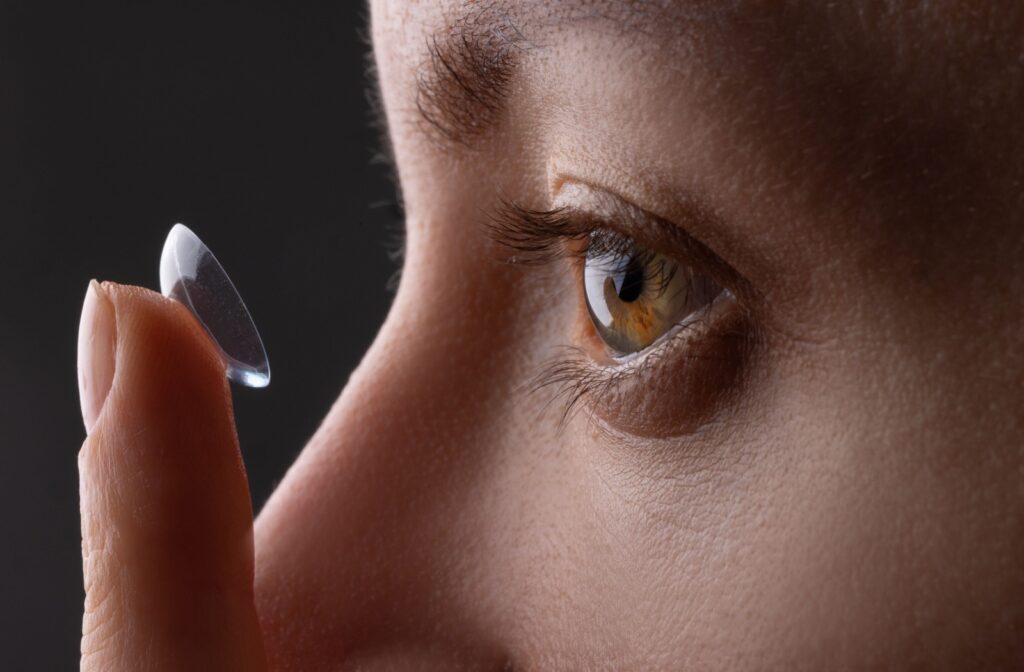
If you have dry eyes, you know the feeling all too well—that scratchy, gritty sensation that can make everyday tasks uncomfortable. Many people with dry eye symptoms wonder whether contact lenses are a good option at all—and the honest answer is: it depends.
While contact lenses can work for some people, dry eye disease often makes lens wear more challenging. In many cases, discomfort, fluctuating vision, or irritation can outweigh the convenience contacts are meant to provide. Understanding your options—and limitations—is an important first step.
Can You Wear Contacts With Dry Eyes?
Dry eye doesn’t mean that your contact lens journey is over before it starts. However, dry eye can make contact lens wear more challenging, and success varies from person to person. Some people with mild dry eye symptoms are able to wear contact lenses comfortably, while others may experience irritation or limited wearing time.
The trick is to find a lens that works with your eyes, not against them—and to recognize when contacts may not be the best solution.
There are many different kinds of contact lenses. Some are made with materials that aim to retain moisture, while others are designed to allow more oxygen to pass through. Your optometrist will help determine whether any of these options are appropriate based on your tear quality and eye health.
What to Look for in Contacts for Dry Eye
When you’re searching for comfortable contacts, a few key features can make a difference for patients who are suitable contact lens candidates. Here’s what to look for:
Lens Material & Moisture
Not all contact lenses are created equal. Some are made from materials like silicone hydrogel that are designed to retain moisture. This can help your eyes feel more comfortable from the moment you put your lenses on during wear.
Think of it like a tiny sponge that’s always moist. These materials work with your eye’s tear film to create a smooth surface, reducing friction and irritation. This constant hydration is a game-changer for people with dry eyes.
High Oxygen Permeability
Your eyes need to breathe to stay healthy, and that means they need oxygen. Lenses with high oxygen permeability allow more oxygen to reach the surface of your eye. This is important for maintaining eye health and comfort.
For some people with dry eye, increased breathability can help reduce redness and discomfort—though oxygen alone does not address all causes of dryness.
A Professional Contact Lens Fit
A contact lens that doesn’t fit properly can slide around, cause irritation, and make dryness worse. At St. Marys Optometry, we do more than just check your prescription—we measure the curve and size of your eyes and assess your tear film and eyelid health to help determine the most comfortable option for your vision.
Contact Lenses & Dry Eye: Setting Realistic Expectations
While some people with dry eye can wear contact lenses successfully, others may find that lenses increase discomfort or dryness over time. In many cases, addressing dry eye itself—rather than changing lenses—can lead to better long-term comfort and vision.
Your optometrist may recommend limiting contact lens wear, using glasses, or focusing on dry eye management first.
Daily vs. Monthly Lenses for Dryness
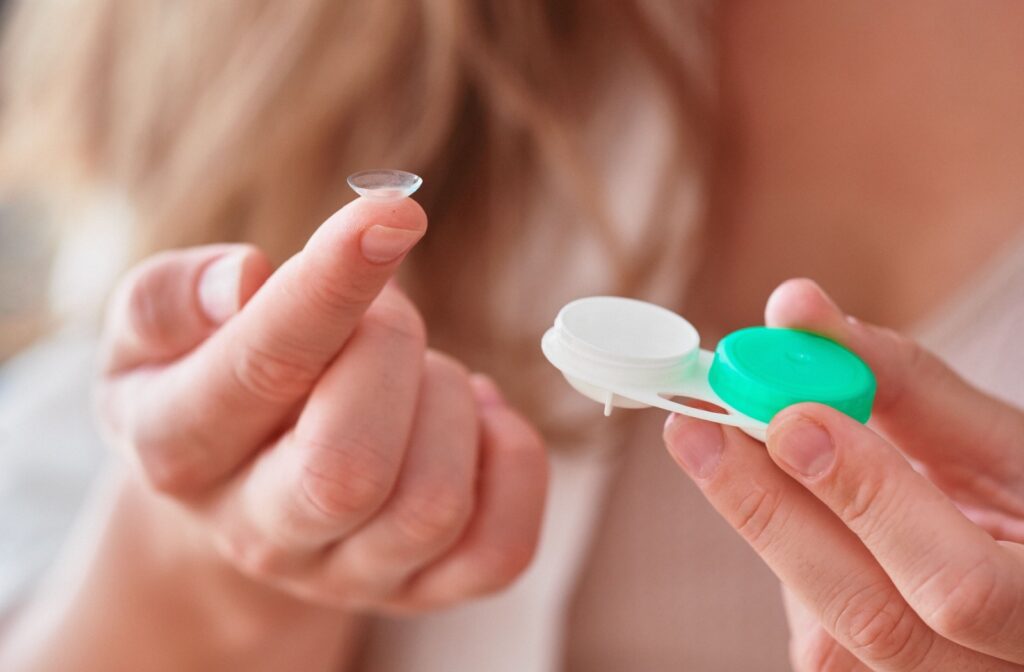
The schedule you choose for replacing your lenses—daily or monthly—can also impact comfort. Each option has its own set of benefits, especially when it comes to managing dry eye. Let’s look at which one might be right for you.
The Benefits of Daily Disposables
Daily lenses offer the ultimate convenience and a clean, fresh start every morning. Because you dispose of them each night, there’s no chance for deposits like proteins or allergens to build up, which reduces potential causes of irritation.
For some patients, daily disposables are a more comfortable and lower-maintenance option when contact lenses are appropriate.
When Monthly Lenses Might Work
If you prefer a monthly replacement schedule, there are still options available. Modern monthly lenses are made with moisture-retaining materials, but they require consistent and proper cleaning.
With a proper cleaning routine, monthly lenses can be a comfortable and cost-effective option. We can help you find a monthly lens that provides the hydration your eyes need.
Tips for More Comfortable Contact Lens Wear
Choosing the right lens is important, but daily habits also play a role in comfort—especially for people prone to dryness.
- Follow the 20-20-20 Rule: When you’re using a screen, take a break every 20 minutes to look at something 20 feet away for at least 20 seconds. This simple exercise, known as the 20-20-20 rule, helps you blink more fully and naturally, which rehydrates your eyes.
- Use Rewetting Drops: Not all eye drops are safe for contacts, so ask us about rewetting drops made specifically for contact lens wearers. A few drops can provide a quick moisture boost when you need it most.
- Stay Hydrated & Use a Humidifier: Drinking plenty of water is good for your whole body—and that includes your eyes. Running a humidifier in your home or office can also add moisture to the air, which helps slow down tear evaporation and combats common causes of dry eye.
Dry Eye Treatment Options at St. Marys Optometry
For many patients, improving dry eye symptoms starts with treating the condition itself—not just changing contact lenses. At St. Marys Optometry, we offer a range of dry eye management options tailored to the underlying cause and severity of your symptoms.
- Prescription eye drops may be recommended to help reduce inflammation, improve tear quality, or increase natural tear production. These treatments are designed to address dry eye at the source and support long-term comfort.
- Oral medications can play a role in managing dry eye, particularly when inflammation or underlying health factors are contributing to symptoms. Your optometrist will determine whether this approach is appropriate based on your overall eye health and medical history.
- Lifestyle changes are also an important part of dry eye management. This may include adjusting screen habits, improving hydration, managing environmental triggers, or modifying daily routines that contribute to dryness. Small changes can make a meaningful difference in how your eyes feel day to day.
By addressing dry eye directly, many patients experience clearer vision, improved comfort, and greater flexibility when considering vision correction options.
Your Next Step for Clear & Comfortable Vision
You don’t have to put up with uncomfortable contacts or give up on them completely. Finding the right solution starts with a conversation about your eyes and your lifestyle.
Here at St. Marys Optometry, we’re here to listen and help you find relief. Schedule a visit with our team today to discuss your symptoms and explore contact lens technologies made for happy, hydrated eyes.